Chelsea Embankment recycling and reuse guide for riverside homes
Posted on 08/08/2026
Chelsea Embankment Recycling and Reuse Guide for Riverside Homes
Living beside the Thames has its own rhythm. The light changes quickly, deliveries arrive on narrow streets, and storage always seems a bit tighter than you expected. That is exactly why a Chelsea Embankment recycling and reuse guide for riverside homes is useful: it helps you make cleaner, simpler decisions about what stays, what gets reused, and what should be recycled responsibly. Whether you are refreshing a period flat, managing a busy family home, or trying to clear out a few bulky items without turning the hallway into a depot, the goal is the same - less clutter, less waste, more sense.
In this guide, you will find practical steps, common mistakes, and realistic ways to handle furniture, packaging, garden cuttings, renovation leftovers, and everyday household items. There is also a local angle, because Chelsea riverside properties come with their own quirks. Let's face it, not every home here has the luxury of endless storage. Sometimes you need a tidy plan more than you need another box.
Why Chelsea Embankment recycling and reuse guide for riverside homes Matters
Chelsea Embankment homes tend to sit at the meeting point of elegance and practicality. You may have beautiful views, handsome interiors, and easy access to central London, but you also have real-world waste issues: limited lift space, awkward stairwells, strict building rules, and very little tolerance for bags left in the wrong place. Recycling and reuse are not just nice ideas here. They are part of living well in a dense riverside neighbourhood.
When waste is sorted properly, you reduce trips, keep communal areas tidy, and avoid that slightly frantic feeling that comes with a big clear-out. Reuse matters too. A dining table, shelving unit, or spare kitchen chair often has more life left in it than people think. That is especially true in Chelsea, where homes are frequently updated but good-quality items are still worth passing on.
If you are thinking more broadly about property upkeep in the area, it can help to read about practical Chelsea property buying tips and the wider context of what locals say about living in Chelsea. Those topics might seem unrelated at first, but they all come back to the same thing: understanding how to live comfortably in a premium London neighbourhood without letting clutter build up.
Expert summary: The best riverside homes do not just look tidy; they run tidy. A simple reuse habit, combined with reliable recycling, usually saves time, reduces stress, and makes larger clear-outs much easier when they do happen.
How Chelsea Embankment recycling and reuse guide for riverside homes Works
The process is straightforward once you break it down. First, separate items by type. Then decide whether each item should be reused, recycled, donated, repaired, or removed as waste. In practice, that means looking at condition, material, size, and whether the item can be safely handled by one person or needs a proper collection.
For example, a worn but sturdy armchair may be better suited to reuse than disposal. Old books can often be donated or passed on. Cardboard packaging should be flattened, while small electricals, batteries, and mixed materials need more careful handling. Soft furnishings and items with damage need extra caution. Not glamorous, I know, but it matters.
Riverside homes in Chelsea often generate waste in waves. One week it is a few online-delivery boxes and kitchen packaging. The next, it is curtains, a broken stool, a pile of garden trimmings, and maybe a leftover shelf from a flat update. That is why a home-by-home system works best instead of treating everything as one big bin job.
In the middle of a clear-out, a family might realise a sideboard is still usable but simply does not fit the room anymore. That is the reuse moment. You do not throw it away by default. You ask, can it be moved, repaired, sold, donated, or stored until a later decision? Small question. Big difference.
Key Benefits and Practical Advantages
The immediate benefit is obvious: less waste in the home. But there are deeper advantages that matter just as much.
- Cleaner rooms and shared spaces: fewer loose bags, boxes, and unwanted items sitting around.
- Better storage discipline: you start noticing what is actually useful and what is just taking up room.
- Lower disposal volume: when items are reused, you have less material to move, sort, and pay to remove.
- More responsible household habits: recycling becomes a routine rather than a panic measure.
- Better preparation for refurbishments: if you are updating a riverside flat, you can separate keep/reuse/recycle before the work starts.
There is also a practical comfort factor. Recycling properly helps avoid the awkward smell of overflowing bins in warm weather, especially near busy streets and waterfront paths where foot traffic is constant. Nobody wants that. Nobody.
For homes generating larger amounts of waste after a refit or move, it can be useful to look at broader support such as recycling and sustainability guidance alongside the full service overview. That gives you a clearer idea of what can be handled separately and what might need a more structured clearance plan.
Who This Is For and When It Makes Sense
This guide is for anyone living near Chelsea Embankment who wants a practical system for managing household items more intelligently. That includes:
- owners of riverside flats with limited storage
- landlords preparing a property for new tenants
- families doing a seasonal clear-out
- people refurbishing kitchens, bathrooms, or living rooms
- residents sorting out inherited furniture or mixed household contents
- homeowners who want to reduce landfill-bound waste where possible
It also makes sense if you are in one of those slightly frustrating in-between stages. Maybe you have sold a sofa but the replacement has not arrived. Maybe you have old packing materials waiting for collection, and you are trying not to stack them beside the radiator like some kind of cardboard sculpture. That is when a reuse-first mindset really helps.
If your project is bigger, a more specialist route may be better. For example, home renovation debris may sit more naturally under builders waste disposal in Chelsea, while a full room refresh might involve furniture disposal support. A household clear-out can also be handled through house clearance in Chelsea when there is too much mixed material to manage sensibly on your own.
Step-by-Step Guidance
1. Start with a room-by-room sort
Do not begin with the loft, the bike store, and the utility cupboard all at once. That way lies chaos. Start in one room and create three simple piles: keep, reuse, and recycle. If an item is broken beyond repair, add a fourth pile for disposal. The point is to make decisions while they are still manageable.
2. Check what can be reused immediately
Good reuse candidates are items in decent condition: chairs, mirrors, storage boxes, books, kitchenware, small tables, lamps, and decorative pieces. If something is stained, unstable, or missing vital parts, be honest. A bit of wear is fine. A wobbly leg and a loose drawer, not so much.
3. Separate recyclable materials properly
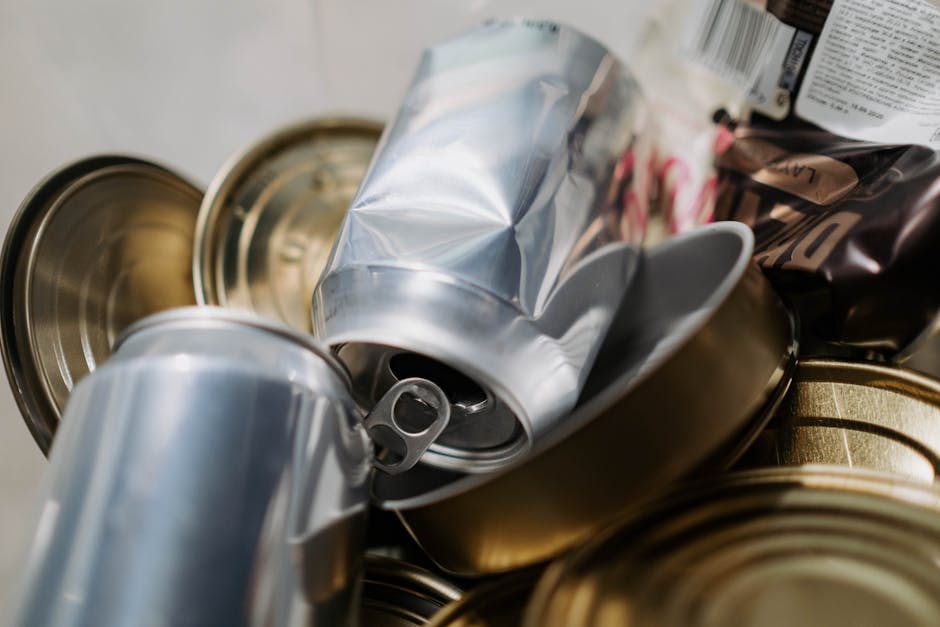
Common recyclable materials in riverside homes usually include cardboard, clean paper, some plastics, glass, and certain metals. Mixed-material items are trickier. If a product combines fabric, foam, plastic, and metal, it may need disassembly or specialist collection. Flatten boxes. Empty containers. Keep items clean and dry where possible.
4. Set aside anything that needs safe handling
Old paints, aerosols, batteries, fluorescent tubes, and some electrical items should never be treated like normal household rubbish. Keep them separate from the start. This is one of those small habits that saves a lot of headache later.
5. Decide whether to donate, sell, or dispose
If something still has decent value or life left in it, consider whether it can be sold or passed on. If not, make sure it goes into the right waste stream. Heavy or awkward items may be better handled as a collection rather than carried through hallways and down steps by hand. Your back will thank you later.
6. Plan the removal day around access
Riverside streets can be awkward for loading. Think about lift access, parking restrictions, building entry rules, and timing. A little planning goes a long way here. If you are clearing bulky items, measure doorways and note anything that might snag. One corner of a sofa can cause more drama than you would expect. Annoyingly so.
7. Keep a reusable-home habit going
Once the clear-out is done, keep the system alive. Store a donation bag, flatten packaging weekly, and set aside reusable items before they become clutter. That steady habit is better than occasional heroics.
Expert Tips for Better Results
In our experience, the homes that manage waste best are not the ones with the largest bins. They are the ones with the clearest habits.
- Use one staging area: a hallway corner or utility space can work, as long as it is not blocking movement.
- Label boxes clearly: "reuse," "recycle," and "take-away" saves confusion when everyone in the household gets involved.
- Handle high-value reuse items quickly: if you intend to sell or donate something, do it while interest and momentum are still there.
- Keep textiles separate: old linens, curtains, and towels are often forgotten until the end. Put them in their own bag.
- Check furniture for hidden waste: people often leave batteries, paperwork, and loose items inside drawers. A classic little surprise.
A good trick is to work backwards from the problem. Ask: what is the least convenient item in the room right now? Start there. You will feel the space open up fast, and that shift is motivating.
For larger or mixed clear-outs, it may help to review who is behind the service and how safety is handled before booking anything. That is not being fussy. It is just sensible.
Common Mistakes to Avoid
Most waste problems in homes are not caused by one huge error. They are caused by several tiny ones that add up.
- Leaving sorting until the last minute: this usually means everything becomes "mixed waste" in practice.
- Assuming reuse means "good enough": if an item is unsafe, unstable, or unhygienic, do not pass it on.
- Overfilling recycling bags: bags that burst or spill in the building lobby create more work, not less.
- Mixing recyclable and non-recyclable items: one contaminated bag can spoil the whole effort.
- Forgetting access constraints: lift size, stair width, and loading space matter more than you think.
- Ignoring specialist items: electricals, hazardous leftovers, and bulky construction waste need separate handling.
Another common one: people keep the "maybe later" pile for months. We have all done it. It sits there quietly, then somehow becomes part of the furniture. That pile needs a deadline, otherwise it wins.
Tools, Resources and Recommendations
You do not need a complicated system. A few simple tools are enough.
- Sturdy boxes or reusable bags for separating household items
- Permanent marker labels so the reuse pile does not get mixed with recycling
- Measuring tape for checking whether bulky items can exit safely
- Basic gloves for dusty loft items or stored clearance goods
- Phone camera to photograph items you may want to sell, donate, or identify later
Useful recommendations for Chelsea riverside homes are usually simple rather than fancy. Keep a dedicated corner for returns, donations, and repairable items. If you have a garden or terrace, separate plant pots, compostable trimmings, and broken outdoor furniture early. For outdoor waste, garden waste removal in Chelsea can be a cleaner option than trying to push everything through the regular household flow.
For more niche clear-outs, the following routes can also be helpful depending on what you are dealing with: office clearance in Chelsea if the home includes workspaces or a study full of old equipment, and general waste collection in Chelsea for mixed household items that do not fit neatly into one category.
Law, Compliance, Standards and Best Practice
When you are dealing with waste in the UK, the safe approach is always to keep things properly separated and handled by an appropriate carrier where needed. You do not need to memorise legal language to do that well, but you should be careful with anything hazardous, bulky, or commercial in nature.
Best practice usually means:
- sorting waste before it leaves the property
- keeping recyclables clean enough to be recycled properly
- not placing hazardous items with normal household rubbish
- using a responsible collection route for large volumes
- keeping records or receipts where appropriate for business or landlord use
If you are managing a rental, a refurbishment, or a property sale, compliance matters even more. A cluttered or poorly cleared home can slow viewings, complicate handovers, or create disputes over what was left behind. That is why many residents plan a clearance alongside other home moves. If you are in that stage, this Chelsea property purchase guide may be useful context, especially if you are moving in or out around the same time.
There are also administrative best-practice pages worth checking when dealing with service providers, even if only for peace of mind: terms and conditions, privacy policy, payment and security information, and accessibility details.
Options, Methods, or Comparison Table
Choosing between reuse, recycling, donation, and disposal is easier when you compare them side by side. Here is a practical way to think about it.
| Option | Best for | Typical advantage | Main limitation |
|---|---|---|---|
| Reuse | Good-quality furniture, decor, household items | Extends life of the item and reduces waste | Needs safe, usable condition |
| Recycling | Cardboard, paper, clean metals, glass, some plastics | Supports material recovery | Items must be sorted and clean enough |
| Donation | Usable goods with ongoing value | Helps others and avoids disposal | Not every item is suitable or accepted |
| Specialist clearance | Bulky, mixed, or awkward items | Reduces effort and helps with access issues | Can require booking and planning |
For a riverside flat with limited storage, specialist help is often the easiest route for bigger items. For a calmer, smaller tidy-up, reuse and recycling may be enough. The right choice depends on volume, condition, and how much time you have. Truth be told, time is often the real luxury.
Case Study or Real-World Example
Imagine a Chelsea Embankment flat undergoing a small refresh before spring. The residents want to keep the original feel of the place but clear some space. One sideboard is moving to another room, two dining chairs are still solid, a pile of cardboard has built up after deliveries, and there is an old lamp that no longer works.
They begin by separating the items into four groups. The sideboard stays. The chairs go into reuse because they are structurally sound. The cardboard is flattened for recycling. The lamp is checked for whether it can be repaired; if not, it is set aside for proper disposal. A few extra bits from the hall cupboard are added to the same session so the whole thing is done in one visit rather than dragged out for weeks.
The result is not dramatic in a cinematic way, but it is real. The flat feels lighter. The hallway is clear. The bins are not overflowing. And nobody had to keep moving the same box from one corner to another for a month, which is a victory in itself. Small win, but still a win.
Practical Checklist
Use this quick checklist before you clear or recycle anything at home:
- Have I sorted items into keep, reuse, recycle, donate, and dispose?
- Are any items damaged, unsafe, or incomplete?
- Have I flattened cardboard and separated clean recyclables?
- Have I isolated batteries, electricals, paints, and other special items?
- Do I know whether large items will fit through doors and hallways?
- Have I planned access, parking, and timing for collection?
- Could any item still be used by someone else?
- Do I need help for bulky, heavy, or mixed waste?
- Have I checked any building rules that affect collection or loading?
- Is my final pile actually ready to leave the property?
If you can tick most of those off, you are probably in good shape.
Conclusion
A smart recycling and reuse routine is one of the easiest ways to keep a Chelsea riverside home feeling calm, uncluttered, and manageable. It is not really about perfection. It is about making better decisions, one item at a time, before clutter gets ahead of you.
For Chelsea Embankment homes, that often means being realistic about space, careful with bulky items, and a bit more deliberate with sorting. Reuse what still has life left. Recycle what can be recovered. Dispose of the rest in the safest and cleanest way possible. That balance is usually enough.
If you are planning a bigger clear-out, or you simply want a more structured approach for a busy home, it can help to look at the wider local service options and choose the route that fits your household best.
Get a free quote today and see how much you can save.
And if the next corner of your home looks a little less crowded tonight, that is no small thing.
 Tipper Van - Rubbish Disposal and Waste Collection Prices in Chelsea, SW3
 Luton Van - Rubbish Disposal and Waste Collection Prices in Chelsea, SW3


