Fulham Road bulky waste collection for Chelsea flats
Posted on 15/07/2026
Fulham Road bulky waste collection for Chelsea flats: a practical guide for residents and landlords
If you live in a Chelsea flat near Fulham Road, bulky waste can become a surprisingly awkward problem. A broken sofa in the hallway, a wardrobe that will not fit in the lift, or a pile of packaging after a renovation can quickly turn into clutter that blocks access and creates stress for everyone in the building. Fulham Road bulky waste collection for Chelsea flats is really about making that process simple, lawful, and respectful of shared living spaces.
This guide explains how bulky waste collection works in practice, what to expect in Chelsea flats, and how to avoid the usual snags. Whether you are a tenant, landlord, leaseholder, or managing agent, you will find a clear step-by-step approach, practical tips, and a few local realities that people often discover the hard way. Truth be told, one bad decision with a mattress or old settee can create more hassle than the item was ever worth.
For readers comparing wider waste services as well, the broader services overview can help you understand where bulky waste sits alongside other clearance options. And if you want to see how the business approaches responsible disposal, the page on recycling and sustainability is a useful background read.

Why Fulham Road bulky waste collection for Chelsea flats matters
Bulky waste in flats is not just a question of getting rid of "stuff". In a building with narrow common parts, shared entrances, and neighbours coming and going all day, one oversized item can obstruct fire routes, dirty communal hallways, or simply make the place look neglected. That matters in Chelsea, where buildings are often high-value, tightly managed, and expected to stay tidy.
Fulham Road is a busy stretch, and many flats in the area have limited storage, constrained loading access, and very little room for dragging furniture outside. If you try to improvise, you can end up with items left in the wrong place, complaints from neighbours, or an unnecessary call-back because the collection vehicle could not access the building. It sounds small. It rarely stays small.
There is also a property angle here. If you are preparing a flat for sale, letting, or a new tenancy, old bulky items make rooms look smaller and less cared for. Readers who are thinking about the wider Chelsea property market may also find it useful to read Chelsea property buying tips or a smart guide to Chelsea property purchase to see how presentation, timing, and maintenance affect value and appeal.
In short: bulky waste collection is part practicality, part presentation, and part building management courtesy. Not glamorous, but very necessary.
How Fulham Road bulky waste collection for Chelsea flats works
At a practical level, bulky waste collection usually follows a simple pattern: you identify the items, arrange access, confirm what can be taken, and schedule collection. The important bit for flats is that the logistics matter as much as the waste itself. A ground-floor terrace is one thing; a third-floor flat with a tight stairwell is another story entirely.
Common bulky items from Chelsea flats include sofas, armchairs, wardrobes, divan bases, mattresses, tables, TV units, white goods, exercise equipment, dismantled office furniture, and renovation leftovers that are too large for normal bin disposal. Some items can be removed intact. Others may need to be carried down in sections. A decent collection plan takes this into account before anyone turns up at the door.
For mixed household clear-outs, the relevant house clearance service can sometimes be more suitable than a one-off pickup, especially where a flat contains several bulky items plus general clutter. If the waste includes furniture that is still in usable shape, a furniture disposal option is often the cleanest way to handle it. And when a move-out involves a whole flat or office-like setup, the difference between a small removal and a broader clearance becomes very clear very quickly.
From a resident's perspective, the process is usually shaped by three questions:
- Can the item physically get out of the flat without damage?
- Can the building access support a safe collection?
- Can the waste be handled responsibly after removal?
That last point is easy to overlook. But responsible disposal is part of the service, not an optional extra.
Key benefits and practical advantages
The main benefit is obvious: you get rid of bulky items without having to figure out the whole transport and disposal chain yourself. But the real value is in the detail. A well-organised bulky waste collection saves time, reduces physical strain, and helps you avoid the usual building friction that comes from leaving items in corridors or communal areas.
Here are the benefits that matter most in Chelsea flats:
- Less disruption to neighbours: the job is planned rather than improvised in shared spaces.
- Safer movement of items: heavy objects are handled with the right lifting approach and equipment.
- Cleaner common parts: fewer marks on walls, fewer blocked hallways, less lingering mess.
- Better presentation: especially useful if you are renting, selling, refurbishing, or hosting guests.
- More predictable outcome: you know what is being taken and when.
There is also a sustainability angle worth mentioning. In many cases, bulky items can be separated for reuse, recycling, or specialist disposal rather than all going to the same place. That is why a service with a responsible disposal mindset is more than just convenient. It can also be the more thoughtful option.
Expert summary: In a Chelsea flat, the best bulky waste collection is the one that solves the space problem without creating a hallway problem, a neighbour problem, or an access problem. Simple on paper; a bit trickier in real life.
Who this is for and when it makes sense
Bulky waste collection near Fulham Road is useful for a wide mix of people, and the "right time" is often when the item has crossed the line from inconvenient to annoying. You know the moment: the old sofa you keep walking around, the mattress leaning in the spare room, the wardrobe that has become a clothes mountain because the doors no longer close properly.
This service makes particular sense for:
- Tenants moving out and clearing items before inventory checks.
- Landlords preparing a flat for new occupants.
- Leaseholders upgrading furniture or replacing damaged items.
- Managing agents dealing with abandoned items in communal areas.
- Homeowners who are refurbishing or decluttering without wanting a full clearance.
- Local businesses with bulky stock-room or office items that need removing.
It also makes sense when access is awkward. A stair-only building, a narrow doorway, or a strict concierge setup can make a simple disposal job turn into a mini project. If you are planning a broader workspace tidy-up, the dedicated office clearance route may fit better than a standard bulky waste pickup.
And if you happen to be near busy stretches like Kings Road or the roads feeding Fulham Road, timing can matter just as much as the waste itself. Some readers may find the local context in Kings Road rubbish removal for Chelsea homes and shops helpful because the same access and scheduling pressure often comes up in nearby streets.
Step-by-step guidance
If you want a smooth collection, do not start with the truck. Start with the flat. A quick bit of planning saves a lot of back-and-forth later, and yes, it is one of those jobs where ten minutes upfront can save an hour of fuss.
- List everything you want removed. Be specific. "Sofa, two chairs, dismantled desk, mattress" is better than "some old stuff".
- Check access routes. Measure doorways if needed, note stairs, lifts, parking constraints, and any concierge requirements.
- Separate items by type. Furniture, mattresses, white goods, and mixed junk can need different handling.
- Remove personal items. Drawers, shelves, cables, paperwork, and forgotten shoes tend to hide in plain sight.
- Take a look at the building rules. Some blocks require notices, lift protection, or collection-time coordination.
- Confirm the collection scope. Make sure the service knows whether the job is a single item, multiple pieces, or a fuller clear-out.
- Prepare the route. Move small obstacles out of corridors and protect floors if needed.
- Be available, or make access arrangements. Missed access is one of the easiest ways for a collection to fall apart.
- Ask about responsible disposal. Reuse and recycling are often possible depending on item condition.
- Do a final walk-through. Check wardrobes, balconies, under beds, and storage cupboards. They hide things. They really do.
If your flat is being emptied after renovations, you may also need help with construction-related leftovers rather than just domestic items. In that case, builders waste disposal in Chelsea can be the better fit for rubble, timber offcuts, and packaging.
Expert tips for better results
A few small decisions make a big difference with bulky waste in flats. First, photograph the items before collection. Not because anyone is being difficult, but because photos help confirm what needs taking and whether the item is likely to need dismantling or extra help. In our experience, "that small cabinet" is often larger in person than it looked in the WhatsApp photo sent at 9:14 p.m.
Second, think about timing around building traffic. Mid-morning or early afternoon can be easier than the busy school-run hours or late evening when lifts are in constant use. If you live in a block where neighbours are often coming and going, even a decent collection can become awkward if everyone is trying to use the same entrance at once.
Third, strip bulky items down where safe to do so. Removing cushions, detachable legs, shelves, or loose drawers can make movement easier and reduce the risk of knocking walls or damaging handrails. Just do not dismantle something important if it turns a simple item into a pile of sharp hardware. There is no prize for overdoing it.
Fourth, keep an eye on what might be reusable. A solid table, a decent bed frame, or a nearly new chair may be suitable for resale or reuse, depending on condition. If the item is beyond that point, fair enough, but it is worth asking before sending something straight to disposal.
Finally, choose a provider that is comfortable working in residential blocks. That sounds obvious, yet it is easy to overlook. Flat collections are about care, discretion, and making the lift look as if nothing ever happened. Almost.

Common mistakes to avoid
Most bulky waste problems in flats are not dramatic. They are just irritating, preventable, and usually caused by a rushed decision. Here are the most common ones.
- Leaving items in communal areas too long. It can create complaints and make the building look untidy.
- Forgetting access restrictions. A van may be booked, but if parking or entry is blocked, the job slows down.
- Assuming everything can be lifted intact. Some furniture needs dismantling first.
- Not checking for hidden contents. Mattresses, drawers, and storage beds often contain surprises.
- Mixing bulky waste with hazardous or prohibited items. That needs separate handling.
- Choosing the cheapest option without checking service quality. Cheap can become expensive when the collection is incomplete.
- Waiting until the last minute. This is especially risky before move-out dates or landlord inspections.
One slightly funny but very real mistake: people often prepare the hallway better than the flat. They tidy the route perfectly, then realise the item still has a TV remote, cables, and three random books shoved behind it. Happens all the time.
Tools, resources and recommendations
You do not need much to organise a good bulky waste collection, but a few simple tools help. A tape measure is useful for checking whether items can pass through doors or lifts. A phone camera helps with photos. Basic gloves are handy if you are moving small loose objects yourself. And a notepad or notes app is enough for keeping track of what is going, what is staying, and what needs dismantling.
It can also help to separate your thinking into three piles:
- Definitely remove - broken, unwanted, or non-negotiable items.
- Maybe keep or donate - items still in decent condition.
- Needs special handling - anything unusually heavy, fragile, or awkward.
If your clear-out is larger than expected, the right route may be a mix of services rather than one blanket solution. For instance, some flats need a furniture-focused collection, while others need general waste removal as well. For broader local coverage, the main waste collection service in Chelsea is worth knowing about alongside specialised options.
And if your project is more about tidying after guests, events, or a change in living arrangements, the local post-event context in Chelsea's party places to know may be surprisingly relevant. A busy social calendar can leave behind a lot of bottles, packaging, and odd bulky leftovers. London life, eh?
Law, compliance, standards, or best practice
For bulky waste in Chelsea flats, the main compliance theme is simple: waste should be handled responsibly, safely, and with proper regard for the building and the environment. You do not need to become a legal expert to do the right thing, but you do need to avoid casual shortcuts.
Good practice usually includes:
- keeping communal areas clear and safe during removal
- making sure items are not left in ways that block exits or access routes
- using a provider that understands safe handling and disposal expectations
- avoiding unauthorised dumping or leaving waste out casually on the street
- checking whether any items require special treatment rather than ordinary disposal
Where a building has its own rules, those should be respected too. Managed flats often have access protocols, lift protection preferences, and quiet hours that are not optional. Best practice is to work with them, not around them. It saves time and keeps everyone on speaking terms.
If you want reassurance about practical standards, the site's insurance and safety information is useful reading, especially if you are arranging a collection in a block with shared surfaces, tighter access, or sensitive communal areas. You can also review the terms and conditions and privacy policy if you prefer to know exactly how service details are handled. That kind of clarity is never wasted.
Options, methods, or comparison table
There is more than one way to deal with bulky waste in Chelsea flats. The best option depends on the amount, access, time pressure, and whether the items are reusable or just in the way.
| Method | Best for | Pros | Watch out for |
|---|---|---|---|
| Single-item bulky waste collection | One sofa, bed, mattress, or appliance | Simple, quick, usually low-fuss | Less suited to larger clear-outs |
| Furniture-focused removal | Multiple furniture pieces from a flat | Good for living-room or bedroom upgrades | May not cover mixed general waste |
| House clearance | Several rooms or a full flat | Most efficient for large clear-outs | Can be more than you need for one item |
| Office clearance | Desks, chairs, filing units, work equipment | Useful for work-from-home or small business setups | May need item separation in advance |
| Builders waste disposal | Renovation debris, packaging, mixed construction waste | Good for refurb projects | Not ideal for ordinary household furniture |
If your flat sits close to a busy mixed-use stretch and includes both home items and work equipment, the comparison becomes more useful than the label on the booking page. The "right" service is the one that matches what is actually there, not what you hoped was there after the last tidy-up spree.
Case study or real-world example
Imagine a two-bedroom Chelsea flat just off Fulham Road. The occupier is moving out on Friday morning. In the spare room, there is a dismantled desk, an old mattress, a small bookcase, and a set of shelves that have seen better days. In the hallway, there is a sofa that barely clears the corner when turned just right. Not ideal.
The first attempt is to leave the sofa by the door "ready for collection". That sounds organised, but the building has a small entrance lobby, and neighbours use the same route throughout the day. The sofa becomes an obstacle rather than a solution. A smarter approach is to clear the route, confirm access, photograph the items, and make sure the collection team knows the sofa may need a two-person lift and a bit of turning space at the stair landing.
On collection day, the item list is checked, the smaller pieces are removed first, and the hallway is kept clear. The job finishes without wall scuffs, without blocking the entrance, and without the awkward moment where somebody has to ask the neighbours to wait in the rain while furniture is manoeuvred through the doorway. That is the difference between "we got rid of it" and "we handled it properly".
If the flat had also been full of unwanted leftovers from decorating, then a more comprehensive approach would have made sense. In some cases, a combination of furniture disposal and broader clearance is simply the neatest route. Not every job needs a grand plan, but sometimes a modest one is worth its weight in saved stress.
Practical checklist
Use this quick checklist before arranging Fulham Road bulky waste collection for Chelsea flats:
- List every item clearly.
- Check whether anything can be reused, sold, or donated.
- Measure doors, lifts, and tight corners if the item is oversized.
- Confirm building access rules and quiet-hour expectations.
- Remove loose contents from drawers, beds, cabinets, and shelves.
- Keep corridors, fire exits, and communal entrances clear.
- Identify any items that may need special handling.
- Take photos of larger items for clarity.
- Choose the service type that matches the job size.
- Walk through the flat one last time before collection.
Quick takeaway: if you prepare the access and item list properly, the actual collection becomes the easy part. That is usually how it should be.
Conclusion
Fulham Road bulky waste collection for Chelsea flats is less about throwing things away and more about handling space well in a busy, shared environment. Chelsea flats often have tight access, modest storage, and building rules that reward a considered approach. When you plan the collection properly, you protect the building, reduce stress, and avoid the common traps that turn a simple clear-out into a drawn-out inconvenience.
The best results usually come from choosing the right service type, giving accurate item details, and treating the building like a shared home rather than a storage problem. That bit of care goes a long way. It always does.
Get a free quote today and see how much you can save.
If you are weighing up your next step, start with the collection plan rather than the item itself. Once the route, timing, and disposal method are clear, everything else tends to fall into place. And that is a relief, honestly.
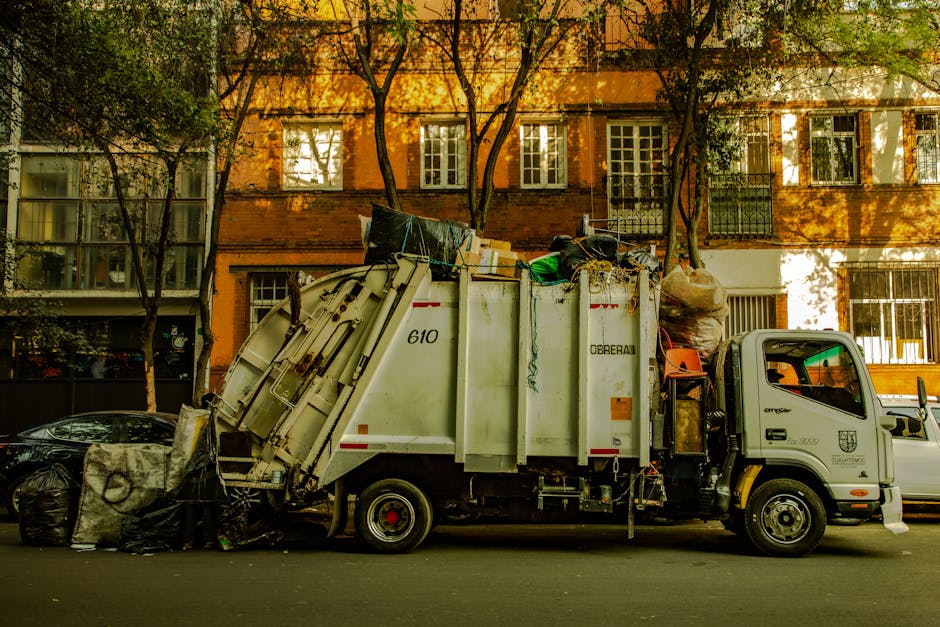
 Tipper Van - Rubbish Disposal and Waste Collection Prices in Chelsea, SW3
 Luton Van - Rubbish Disposal and Waste Collection Prices in Chelsea, SW3


